

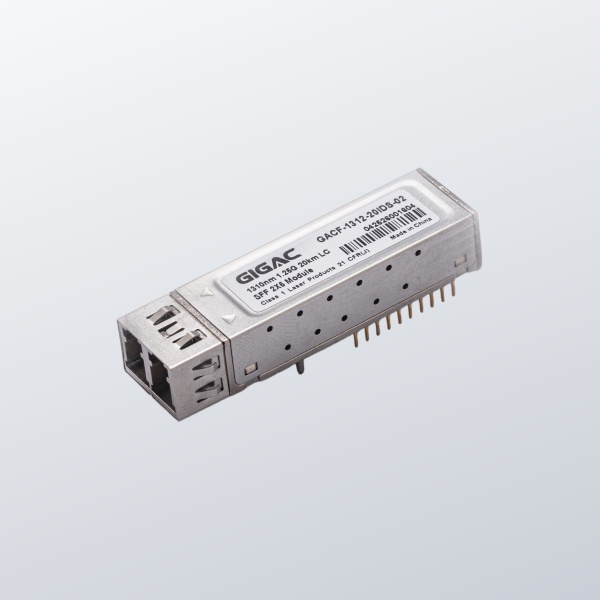
Products Description
Technical Specs Summary
Parameter | Specification |
Transmitter Technology | EML (Electro-absorption Modulated Laser) + TEC |
Data Rate | 10.3125 Gbps (10GbE / 10G SDH / OTU2) |
Wavelength Grid | CWDM — 18 channels, 1271nm to 1611nm, 20nm spacing |
Fiber Type | Single-mode fiber (SMF) |
Transmission Distance | Up to 40km | 10km models also available |
Configuration | Single-fiber or Dual-fiber |
Interface Options | SC (duplex) | Pigtail-FC/APC | Pigtail-LC/APC |
DDM | Yes — digital diagnostic monitoring |
Temperature — Commercial | –10°C to +85°C |
Temperature — Industrial | –40°C to +85°C (industrial grade models) |
Block Diagram | EML → CDR Driver → Microcontroller + Limiting Amplifier (CDR) |
Standards | 10GbE | SDH STM-64 | DWDM/CWDM Channel Mux | City Fiber |
Detailed Product Description
Product Overview
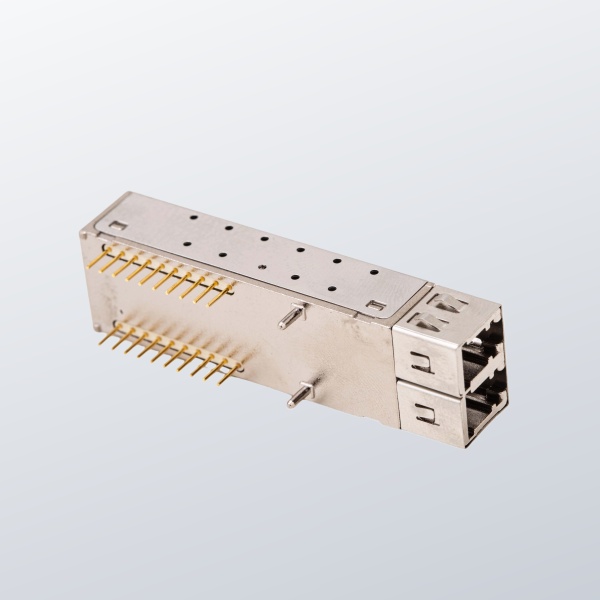
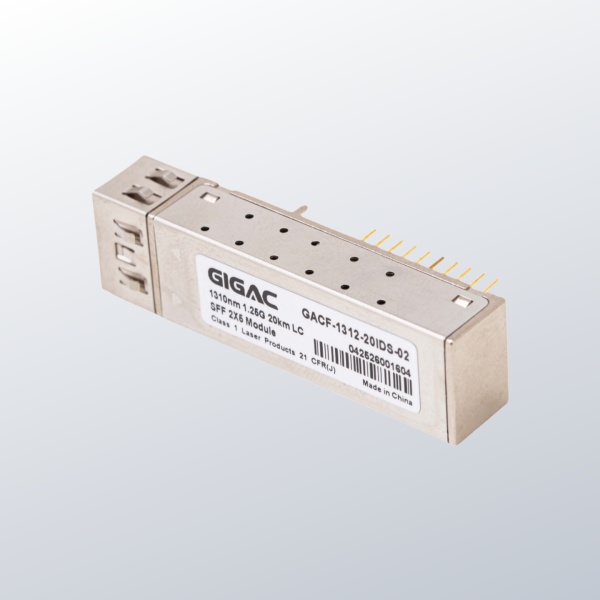
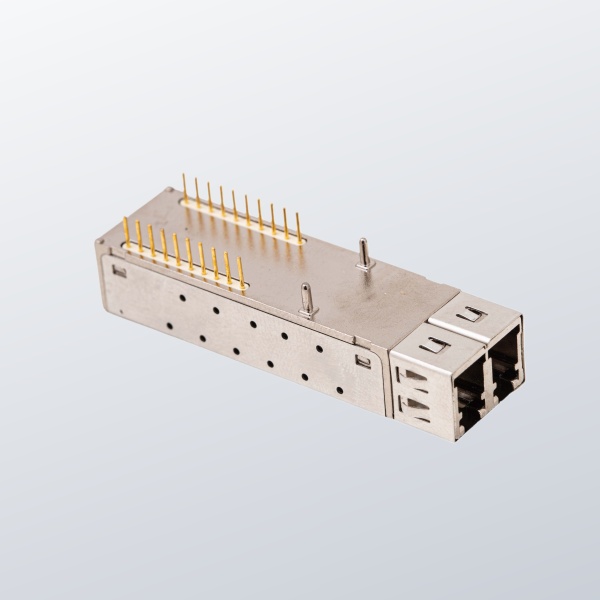
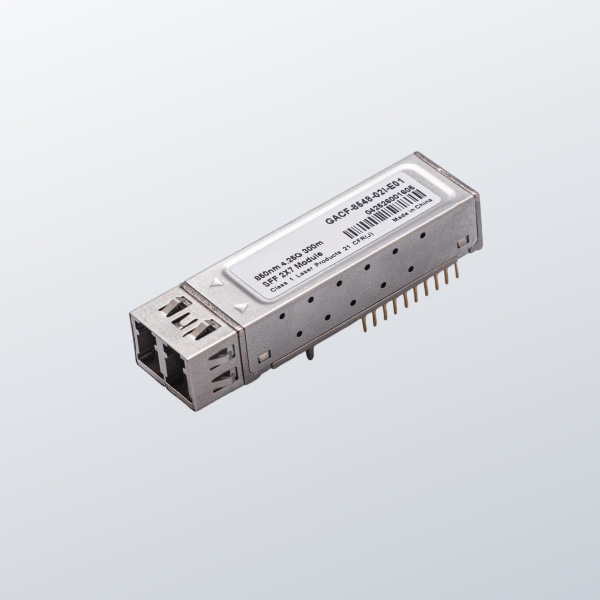
The GIGAC CWDM SFF 10G Flexible Output Digital Optical Transceiver is a high-performance SFF (Small Form Factor) module supporting 18 CWDM wavelength channels spanning 1271nm to 1611nm at 20nm spacing in accordance with ITU-T G.694.2. The module operates at 10.3125Gbps and covers distances up to 40km over standard 9/125μm single-mode fiber without optical amplification.
The transmitter integrates an EML (Electro-absorption Modulated Laser) driven by a CDR (Clock and Data Recovery) IC, and a TEC (Thermo-Electric Cooler) controlled by an internal microcontroller. This architecture delivers the wavelength precision and low chirp required for reliable 10G CWDM channel multiplexing in passive CWDM MUX/DEMUX systems. The receiver incorporates an optical receiving module and a limiting amplifier (CDR) for the return signal path.
Multiple interface options are available: SC duplex connector, Pigtail-FC/APC, and Pigtail-LC/APC. Both commercial (–10°C to +85°C) and industrial (–40°C to +85°C) temperature grades are offered, enabling deployment in controlled equipment rooms and harsh outdoor environments. DDM (Digital Diagnostic Monitoring) is supported for real-time optical parameter visibility.
Key Features
EML (Electro-absorption Modulated Laser) + TEC — wavelength-stable 10G CWDM transmitter
18 CWDM channels: 1271nm to 1611nm, 20nm spacing (ITU-T G.694.2)
10.3125Gbps data rate (10GbE / SDH STM-64 / OTU2)
Transmission distance: up to 40km over SMF (no EDFA required)
Single-fiber and dual-fiber configurations
Interface options: SC duplex | Pigtail-FC/APC | Pigtail-LC/APC
DDM (Digital Diagnostic Monitoring) supported
Internal microcontroller — APC, bias, TEC, alarm management
CDR (Clock and Data Recovery) on both TX and RX paths
Commercial grade: –10°C to +85°C
Industrial grade: –40°C to +85°C
Compatible with passive CWDM MUX/DEMUX systems
Technical Advantages
EML + TEC — Wavelength Accuracy on the 20nm CWDM Grid
CWDM channel spacing is 20nm — much wider than DWDM (0.8nm / 0.4nm), but still requires stable laser wavelength alignment to remain within the passband of passive CWDM MUX/DEMUX filters. The EML+TEC combination maintains wavelength accuracy across the full operating temperature range, preventing channel crosstalk in multi-channel CWDM systems where each wavelength must stay within its allocated 20nm window.
40km Without EDFA — Simplified Passive CWDM Deployment
Unlike DWDM systems that require EDFA amplification for most metro distances, the CWDM SFF 10G module achieves 40km over standard single-mode fiber without optical amplification. This enables passive CWDM MUX/DEMUX architectures using standard splitters and filters — dramatically reducing infrastructure cost and operational complexity for 10G CWDM metro access and inter-office fiber links.
18 CWDM Channels — Maximum Fiber Capacity
The 18-channel CWDM grid (1271nm–1611nm, 20nm spacing) enables up to 18 independent 10G wavelength channels per fiber pair, providing up to 180Gbps aggregate capacity per fiber pair using a fully loaded passive CWDM MUX/DEMUX. This makes it a cost-effective approach to maximizing bandwidth on existing single-mode fiber infrastructure in metro access and enterprise campus networks.
Multiple Interface Options — Installation Flexibility
Three optical interface configurations are available: SC duplex connector for standard patch cord connections, Pigtail-FC/APC for direct fusion splicing into FC/APC terminated plant, and Pigtail-LC/APC for LC/APC terminated plant. This eliminates the need for adapter connectors at the fiber interface and allows the module to be directly matched to the connector type installed in the equipment room or fiber plant.
Industrial Temperature Grade for Harsh Environments
Industrial grade models (–40°C to +85°C) extend deployment to outdoor equipment shelters, industrial facilities, and transit system environments where commercial grade (–10°C to +85°C) is insufficient. The EML+TEC architecture ensures wavelength stability across this extended temperature range without host-side correction.
! | Note: Each CWDM channel variant has a different wavelength code in the part number. Specify the required CWDM channel (code from the wavelength table) when ordering. For single-fiber BiDi configurations, verify complementary wavelength pairing at both ends. Full CWDM wavelength code table available from our technical team. |
CWDM Wavelength Grid Reference (ITU-T G.694.2)
18 channels from 1271nm to 1611nm with 20nm spacing. Specify channel code at order time.
Band | Code | Wavelength Range | Typical | Max. Channel |
1G to 10G Single-mode | 31 | 1271nm–1351nm (20nm step) | 1291nm | 8 channels |
1G to 10G Single-mode | 41 | 1371nm–1451nm (20nm step) | 1391nm | 8 channels |
CWDM C-band (Long Range) | 51 | 1471nm–1611nm (20nm step) | 1491nm | 8 channels |
1000 Base-T / short range | 61 | 1271nm–1611nm (20nm step) | 1291nm | 18 channels |
1G long range | M1 | 1271nm–1611nm (20nm step) | 1271nm | 18 channels |
Full 18-channel CWDM wavelength code table from 1271nm (code 31) to 1611nm available from our technical team. Channel availability may vary by part number series.
Typical Applications
CWDM metro access network 10G wavelength channels
CWDM channel MUX/DEMUX — 10G per wavelength over single fiber pair
Datacom and LAN 10G Ethernet (10GbE) fiber links
SDH STM-64 / OTU2 optical interfaces on CWDM infrastructure
Enterprise campus CWDM fiber capacity upgrades
Telecom access and aggregation CWDM node interfaces
City fiber channel and metropolitan fiber ring CWDM nodes
CWDM-over-dark-fiber deployments — passive, no amplification required
Compatibility and Deployment
The CWDM SFF transceiver is compatible with standard passive CWDM MUX/DEMUX equipment using ITU-T G.694.2 channel spacing. Select the SC, Pigtail-FC/APC, or Pigtail-LC/APC interface based on the connector type in your fiber plant. Specify channel wavelength code and temperature grade when ordering.
Contact our technical team for full CWDM channel wavelength code table, fiber plant compatibility verification, or OEM volume support.
Our factory
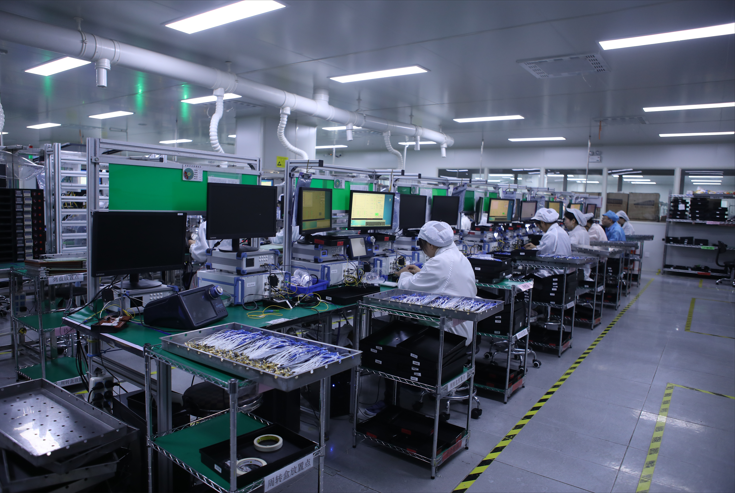
Industrial Optical Module Assembly Line

High-Precision Fiber Assembly
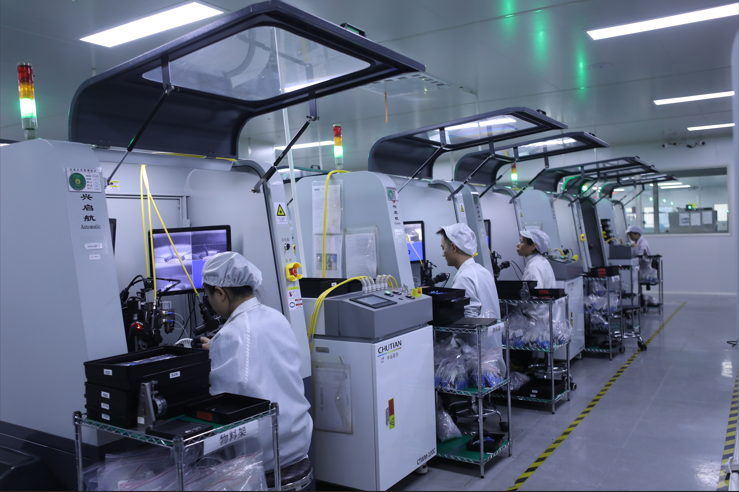
Automated Manufacturing for Consistency
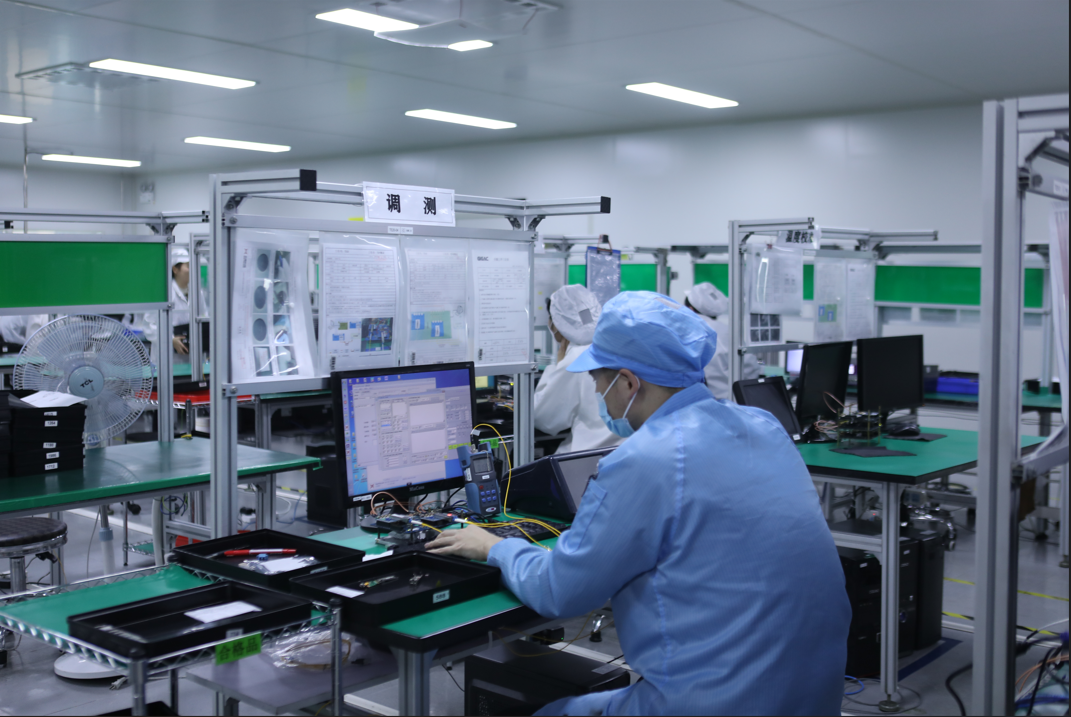
100% Functional & Reliability Testing